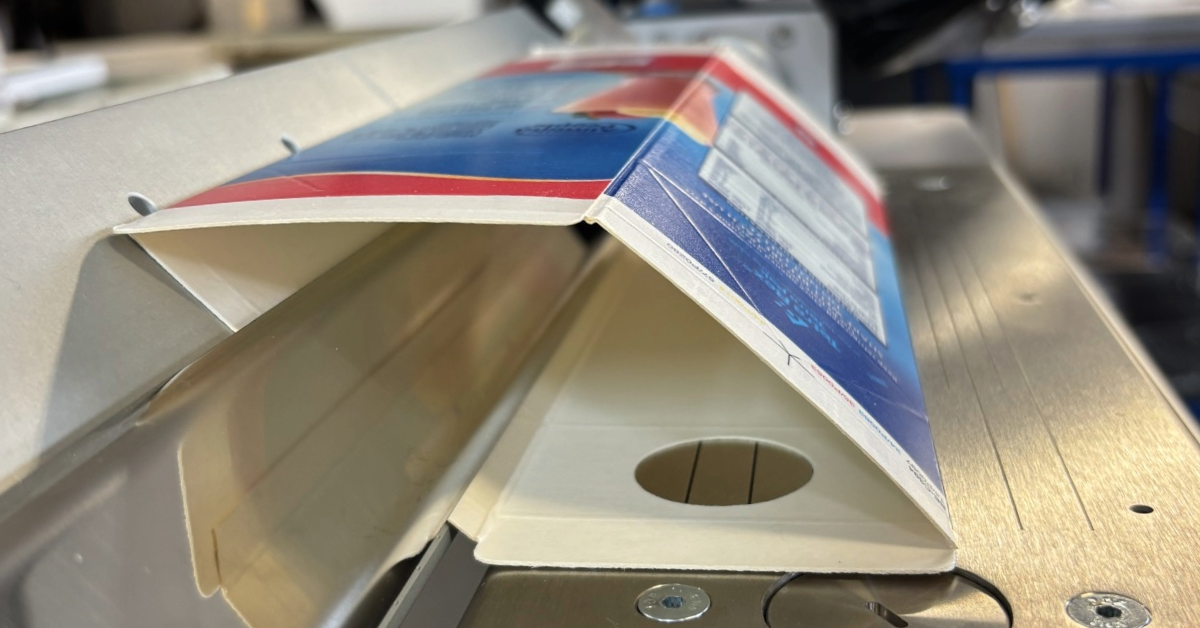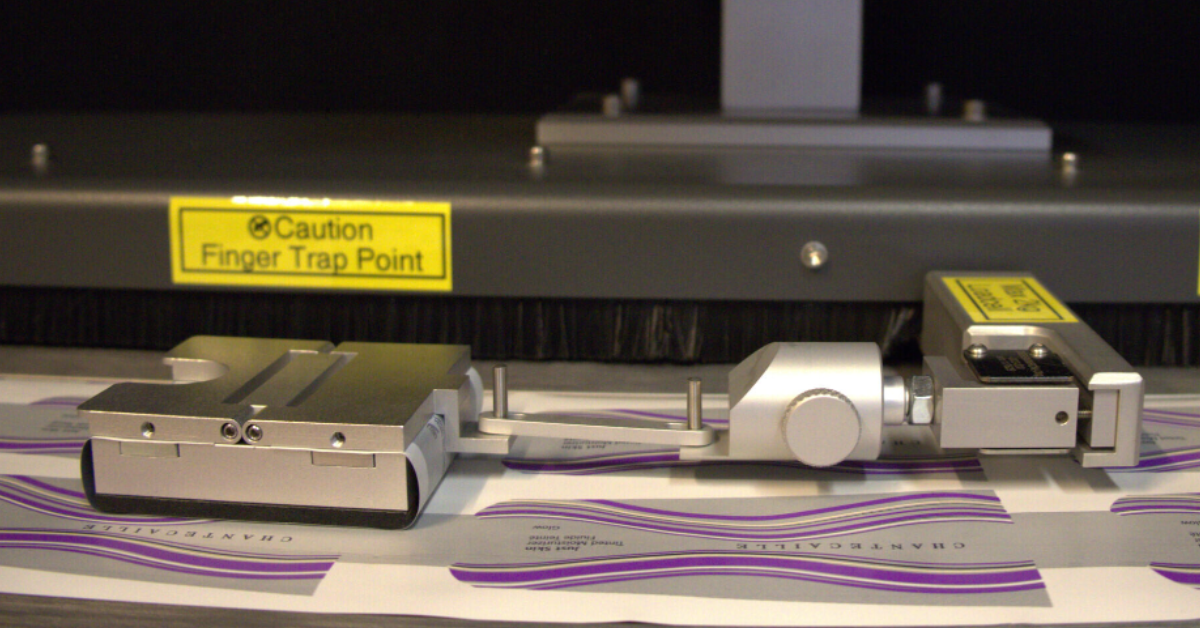
The RDM Laboratory Carton Tester (LCT) is the ultimate 4-in-1 test instrument for measuring crease…
How to Build a Packaging QC Test Plan for Multiple Flexible Materials in 7 Steps
Running a packaging line with multiple materials – like plastics, films, foils, and laminates – requires a quality control test plan that catches defects before they reach your customers. Without a structured approach, you risk inconsistent seals, material failures, and costly product recalls.
RDM Test Equipment helps packaging professionals design QC test plans that standardise testing procedures across multi-material lines. This guide walks you through 7 practical steps to build a test plan that addresses your most common failure modes, from poor seals to surface slip issues. By the end, you will have a clear framework for selecting tests, sequencing equipment, and maintaining your plan over time.
Quick Guide: How to Build a Packaging QC Test Plan in 7 Easy Steps
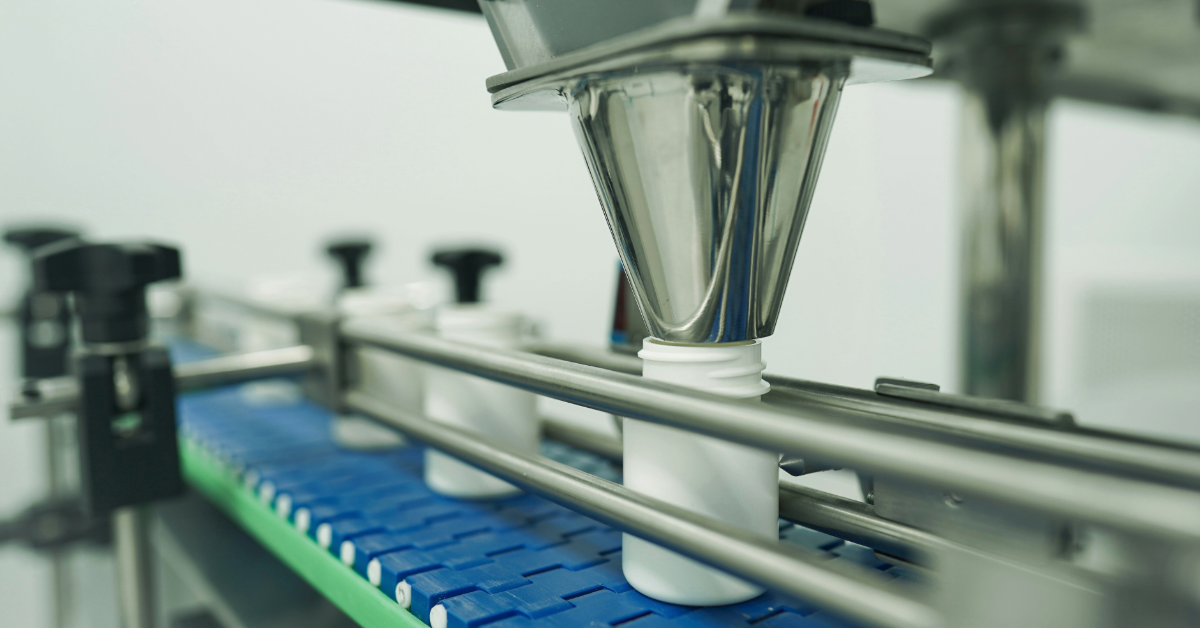
- Identify Your Packaging Materials and Failure Modes: document every material type and map them to noted failure points.
- Define Testing Objectives and Standards: set clear goals based on ASTM, ISO, or other relevant standards.
- Select the Right Physical Tests for Your Line: choose tests for heat seal strength, hot tack, coefficient of friction, and leak detection. RDM Test Equipment offers precision instruments for each packaging material testing type.
- Sequence Your Tests for Maximum Efficiency: order tests logically to catch failures early and save time.
- Assign Testing Frequencies and Sample Sizes: determine how often to test based on batch size and risk level.
- Document Your QC Test Plan Procedures: create clear, repeatable procedures that your team can follow.
- Review and Update Your Test Plan Regularly: schedule periodic reviews to address new materials or equipment changes.
How to Create a Packaging Quality Control Test Plan for Mixed Lines
1. Identify Your Packaging Materials and Failure Modes
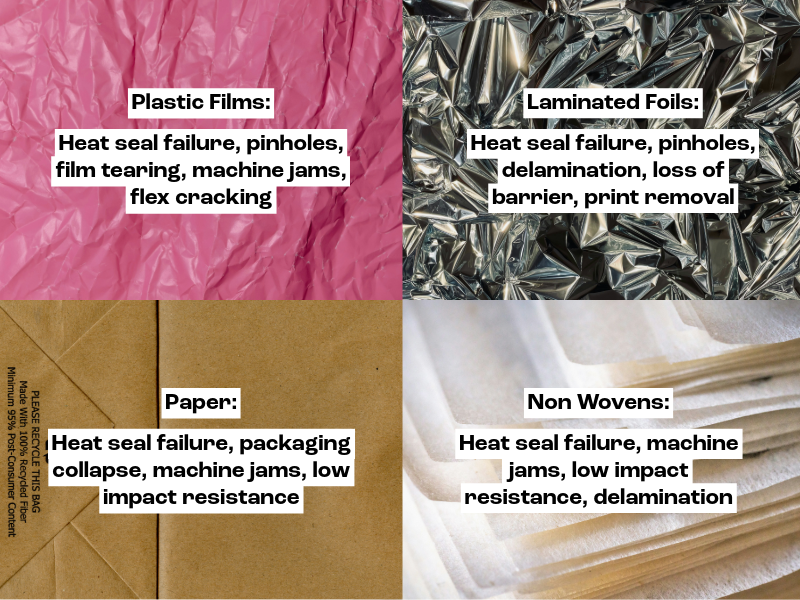
For each material, document the common failure modes you see. Heat-sealed pouches might fail at the seal interface due to incorrect sealing parameters, product contamination, or mechanical issues. Heat seals running too hot could develop pinholes or weak spots. Laminated structures may delaminate under stress. Cartons are likely to fail at holding shape during processing if creases are too strong or may crack if creases are too deep.
Create a simple table that maps each material to its typical failure points. This becomes your reference when selecting which tests to include in your plan. Focus on package failures that affect product safety, shelf life, or customer experience first.
2. Define Testing Objectives and Standards
Your test plan needs measurable objectives tied to recognised standards. This ensures your results are defensible and comparable across batches.
For seal strength testing, reference ASTM F2029 for laboratory heat seal preparation and ASTM F88 for peel strength. ASTM D1894 is relevant for coefficient of friction measurements. ISO 11607 requirements are critical if you work with medical packaging.
List objectives that specify the pass/fail criteria in your table. Instead of “seals must be strong,” write “heat seals must exceed 15 N/25mm peel strength when tested per ASTM F88.” Clear criteria remove guesswork from your QC decisions.
3. Select the Right Physical Tests for Your Line
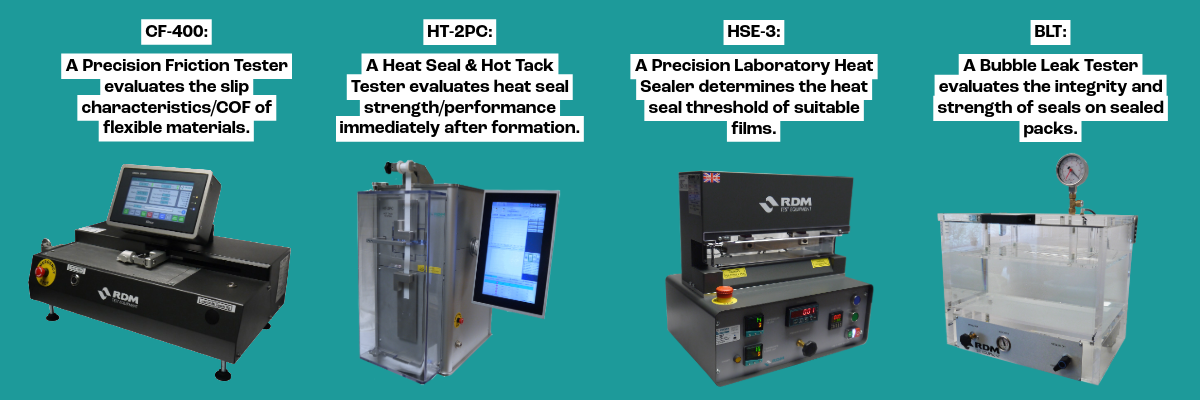
Multi-material lines typically need four core test categories: coefficient of friction testing, heat seal strength testing, hot tack testing, and leak detection.
Coefficient of friction testing measures how easily your materials slide over machinery surfaces and each other. The CF-400 Precision Friction Tester from RDM Test Equipment measures static and kinetic friction in compliance with ASTM, ISO, and TAPPI standards.
Heat seal testing determines the optimal temperature, pressure, and dwell time for your sealing operations. Hot tack testing measures seal strength immediately after sealing and before it has cooled, which is a pivotal moment for high-speed form-fill-seal lines. Leak testing confirms your sealed packages maintain integrity and functionality.
4. Sequence Your Tests for Maximum Efficiency
The order of your tests matters. Run incoming material tests first, process verification tests second, and final package tests last.
Start with coefficient of friction tests on raw materials. Slip problems here cause machine jams and misfeeds downstream. Next, run heat seal curve trials to establish your sealing parameters before production begins. During production, check hot tack strength on samples pulled from the line. This catches sealing equipment drift quickly. End with leak detection on finished packages to confirm overall integrity.
This sequence catches problems at each stage rather than discovering them only at the end.
5. Assign Testing Frequencies and Sample Sizes
Testing frequency depends on your batch sizes, material variability, and risk tolerance. Higher-risk products – like medical device packaging or food contact materials – require more frequent testing.
A typical approach tests incoming materials once per batch, runs in-process seal checks every hour or shift, and performs leak tests on a statistical sample of finished packs. For critical applications, increase frequency during material changeovers or when switching between product lines.
Document your sample sizes and sampling methods. Random sampling across the production run gives better coverage than pulling consecutive samples from one point.
6. Document Your QC Test Plan Procedures
Written procedures ensure every operator runs tests the same way. Each procedure should specify the equipment, sample preparation, test parameters, and acceptance criteria.
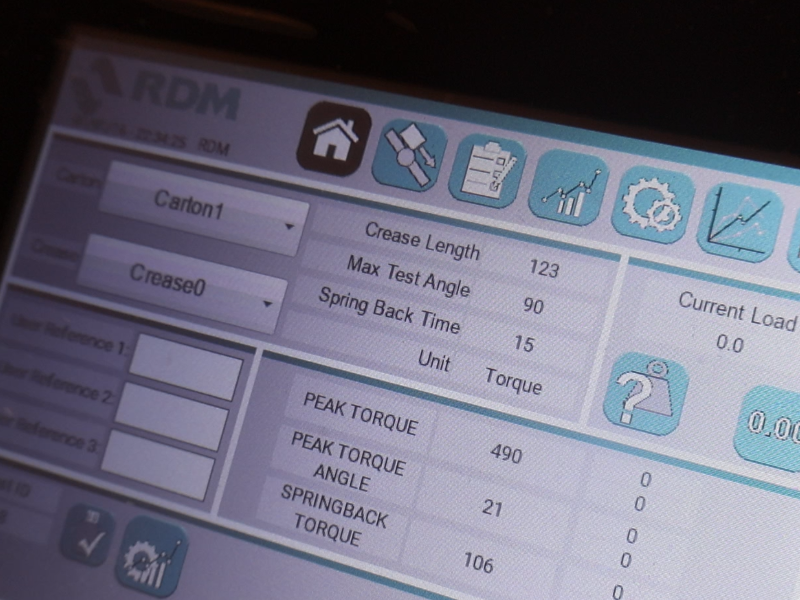
Include photographs or diagrams showing correct sample positioning. Note any equipment calibration requirements before testing. RDM Test Equipment instruments feature intuitive touchscreen interfaces that guide operators through standardised test sequences.
Store procedures where your team can access them easily. Review and sign-off procedures annually, or whenever you change materials or equipment.
7. Review and Update Your Test Plan Regularly
A test plan becomes outdated the moment you introduce a new material or change a supplier. Schedule quarterly reviews to assess whether your plan still addresses your actual risks.
Track your test data over time to spot trends. Rising seal failures might indicate equipment wear. Inconsistent friction readings could signal raw material variability from your supplier.
Use this data to refine your plan. Add tests where you see recurring problems. Remove tests that consistently pass if they no longer add value. A living test plan adapts to your changing production environment.
What Tests Should a Multi-Material Packaging Line Include?
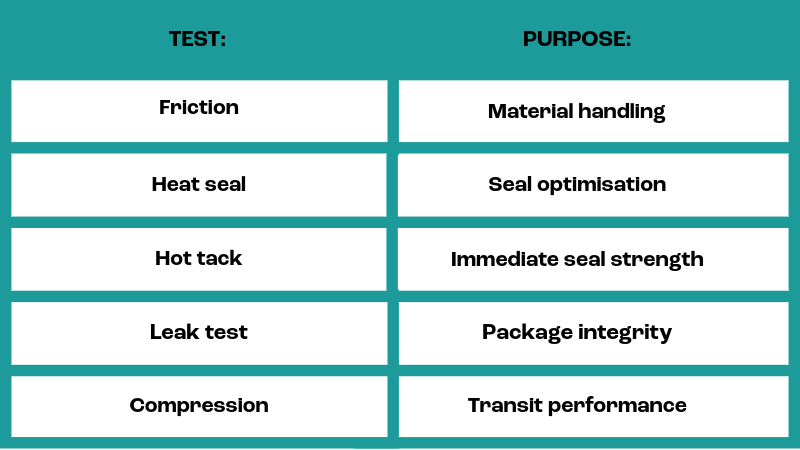
A multi-material packaging line typically requires tests that address the unique properties of each material type. Here are the core tests to consider:
- Coefficient of friction: measures the slip properties critical for machine feeding and unwinding
- Heat seal strength: verifies whether the seal integrity meets specification after cooling
- Hot tack: measures the seal strength immediately after sealing, before the material cools
- Carton compression: tests the secondary packaging strength for stacking and shipping
- Leak detection: confirms the package integrity through bubble emission or pressure decay methods
The specific tests you need depend on your product type and industry requirements. Food packaging may prioritise barrier and seal integrity. Medical packaging must meet strict regulatory requirements for sterile barrier verification per ISO 11607.
How Often Should You Calibrate Packaging Test Equipment?
Calibration frequency depends on your equipment type, usage intensity, and regulatory requirements. Most packaging test equipment benefits from annual calibration at minimum.
High-use instruments may need calibration every six months. If your test results start showing unusual variability, calibrate sooner rather than waiting for your scheduled interval.
Keep calibration records organised and accessible for audits. Many quality standards, including ISO 9001, require documented calibration histories. RDM Test Equipment offers calibration services and support to keep your instruments performing accurately.
How RDM Test Equipment Helps You Build a Packaging QC Test Plan
RDM Test Equipment gives you the precision instruments you need to implement each step of your QC test plan. With over 40 years of experience in heat seal and materials testing, we understand the challenges that quality control managers face on multi-material packaging lines.
Our product range includes the CF-400 Precision Friction Tester for slip testing, the HSE-3 Laboratory Heat Sealer for seal preparation, the HT-2PC Auto Heat Seal & Hot Tack Tester for immediate seal strength, and Bubble Leak Testers (both vacuum and pressure) for package integrity checks. Each instrument features an intuitive touchscreen interface and complies with international standards including ASTM, ISO, and TAPPI.
RDM Test Equipment also delivers expert technical support to help you select the right tests, set up your procedures, and interpret your results. Contact us to discuss your specific testing requirements and discover how we can support your quality control goals.
For more tailored information about RDM Test Equipment can help your packaging QC testing, reach out to sales@rdmtest.com.
FAQs about How to Build a Packaging QC Test Plan for Mixed Lines
What is a packaging QC test plan?
A packaging QC test plan documents the tests, frequencies, and acceptance criteria you use to verify packaging quality. It specifies which tests to run, when to run them, and what results indicate a pass or fail.
The plan ensures consistent testing across your production runs and gives you defensible evidence of quality for audits and customer requirements.
Which standards apply to heat seal testing?
ASTM F2029 covers laboratory heat seal preparation, while ASTM F88 specifies seal strength measurement methods. RDM Test Equipment instruments comply with these standards, ensuring your test results meet international benchmarks.
For medical packaging, ISO 11607 sets additional regulatory requirements for sterile barrier systems.
How do I choose between hot tack and heat seal testing?
Hot tack testing measures seal strength immediately after sealing, before the material cools. Heat seal testing measures strength after the seal has fully cooled. Both tests serve different purposes.
Use hot tack testing if your line runs at high speeds where packages experience stress before the seals cool. Use heat seal testing for final product verification. RDM Test Equipment offers the HT-1XS Hot Tack Tester and HSE-3 Heat Sealer to cover both needs.
What equipment do I need for a basic packaging test plan?
A basic plan for flexible packaging typically needs a friction tester, heat sealer, seal strength tester, and leak detection equipment. RDM Test Equipment offers a complete range of instruments that work together to cover your core testing requirements.
Start with the tests that address your highest-risk failure modes, then expand as your programme matures.
How do I troubleshoot inconsistent test results?
Inconsistent results often trace back to sample preparation, equipment calibration, or operator technique. Check that your samples meet size specifications and come from representative locations in your batch.
Verify your equipment calibration is current. Review your procedure with operators to ensure everyone follows the same steps. RDM Test Equipment instruments feature automated testing sequences that reduce operator variability.
Related Posts