
Contract Testing For Flexible Packaging Materials
RDM LAB is the UK’s largest materials testing lab, equipped to cover many of your packaging testing needs. Including brands such as RDM Test, AMETEK MOCON, DANSENSOR, and TMI, it provides flexibility and a cost-effective solution for individual projects or on-going quality control.
Permeation Testing
Oxygen (OTR), water vapour (WVTR), or carbon dioxide (CO2TR) permeation testing with MOCON.
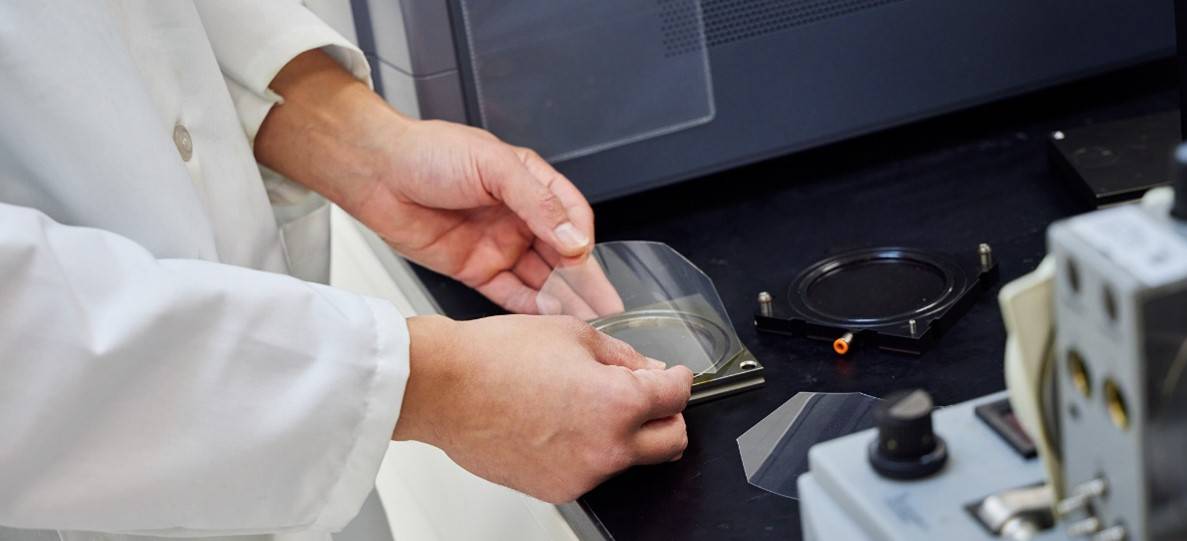
Permeation testing is used to assess how gases or vapours can pass through materials. Knowing gas permeability rates is crucial for fields – like food packaging and medical devices – that need to maintain barriers against moisture, odours, or chemicals for product safety and shelf-life. This testing involves measuring the rate at which these substances permeate through substances like polymers, fabrics, or membranes.
Heat Seal Testing
Lab heat sealing, seal strength testing, and hot tack testing of heat sealable materials.
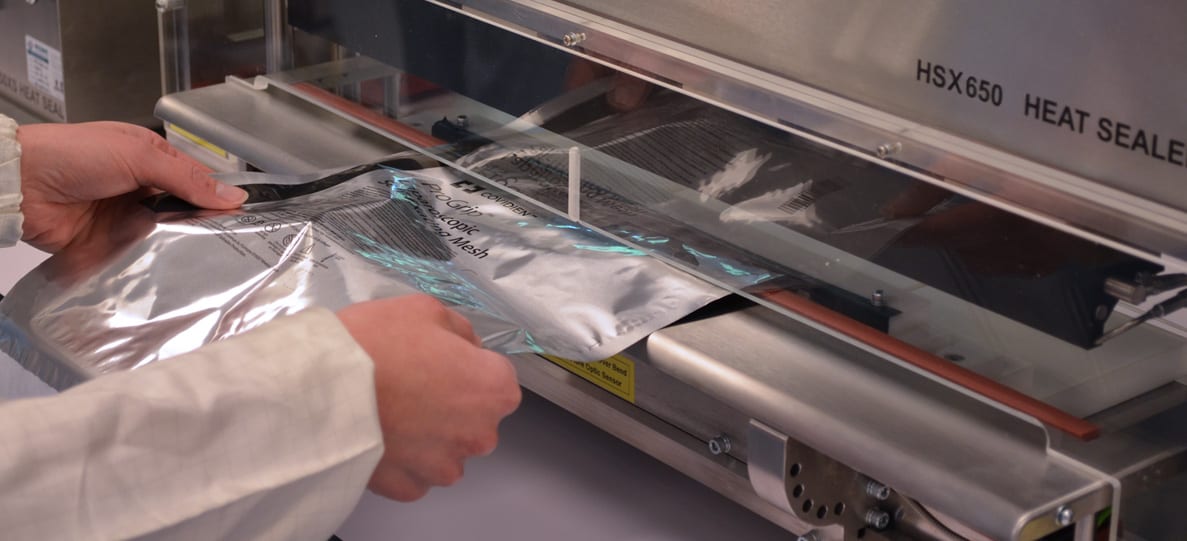
Heat seal testing is used to assess the strength and integrity of seals formed between materials using heat. It’s crucial in packaging industries to ensure products remain properly sealed during handling, transportation, and storage. The test subjects seal samples to controlled temperature and pressure conditions to simulate real-world scenarios and determine their ability to withstand stress.
Package Integrity Testing
Leak, burst, and creep testing of finished packaging, such as food and medical item pouches.
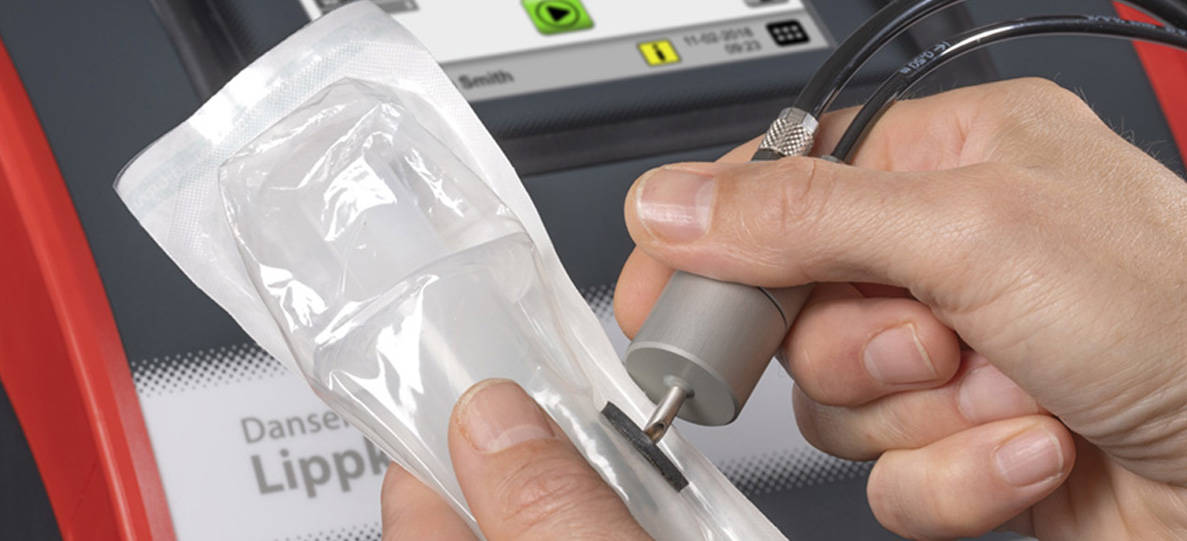
Leak testing verifies the integrity of seals to prevent unintended substance leakage. Burst testing determines the maximum pressure a component can withstand before failure, ensuring safety and reliability. Creep testing evaluates how materials deform under constant stress over time, crucial for durability assessments. These tests, collectively known as Package Integrity Testing, contribute to product quality, reliability, and safety across various industries.
Friction Testing
Measuring slip resistance of flat materials, such as packaging films.

Coefficient of friction (COF) testing ensures that packaging materials have the right slip and grip balance. It measures how smoothly materials slide on manufacturing equipment and how much friction they provide to prevent slippage during transportation and stacking. Testing helps to optimise packaging designs, ensuring efficient production, easy handling, and secure stacking, ultimately improving product quality and reducing costs.
Physical Testing
Tensile, crush, bending, tear, impact, and penetration of all flexible materials and packages.
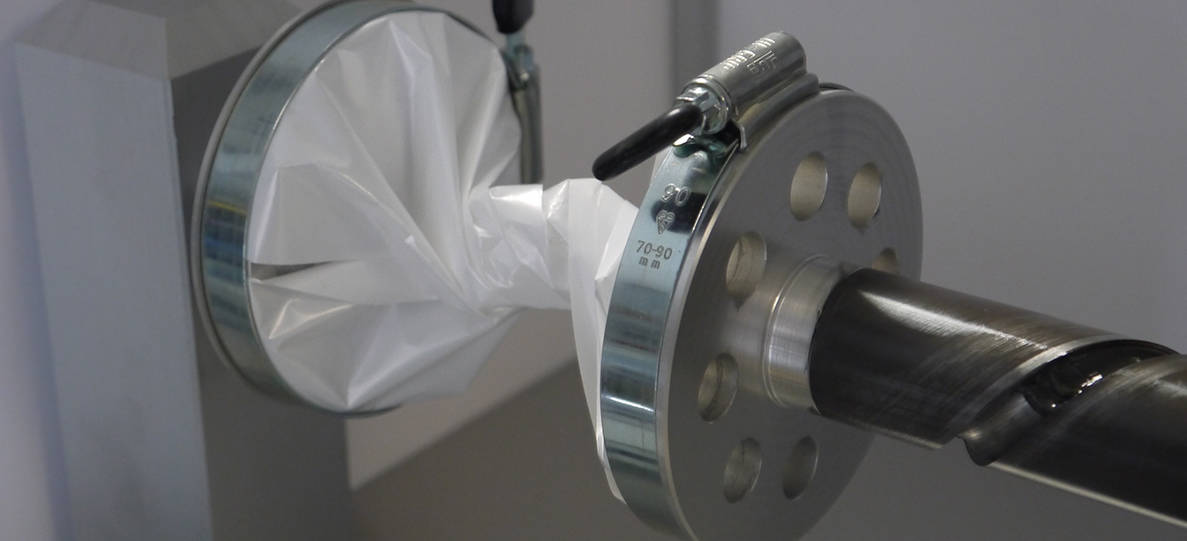
Tensile testing measures strength, crush testing assesses compression resistance, and bending testing checks flexibility. Tear testing evaluates resistance to tearing, while impact testing assesses resilience to shocks. Penetration testing ensures puncture resistance against sharp objects. These tests for durability and protection, collectively known as Physical Testing, guarantee packaging materials meet rigorous standards for performance and reliability.
Surface And Optical Testing
Haze, clarity, opacity, gloss, and transmittance of flat materials.
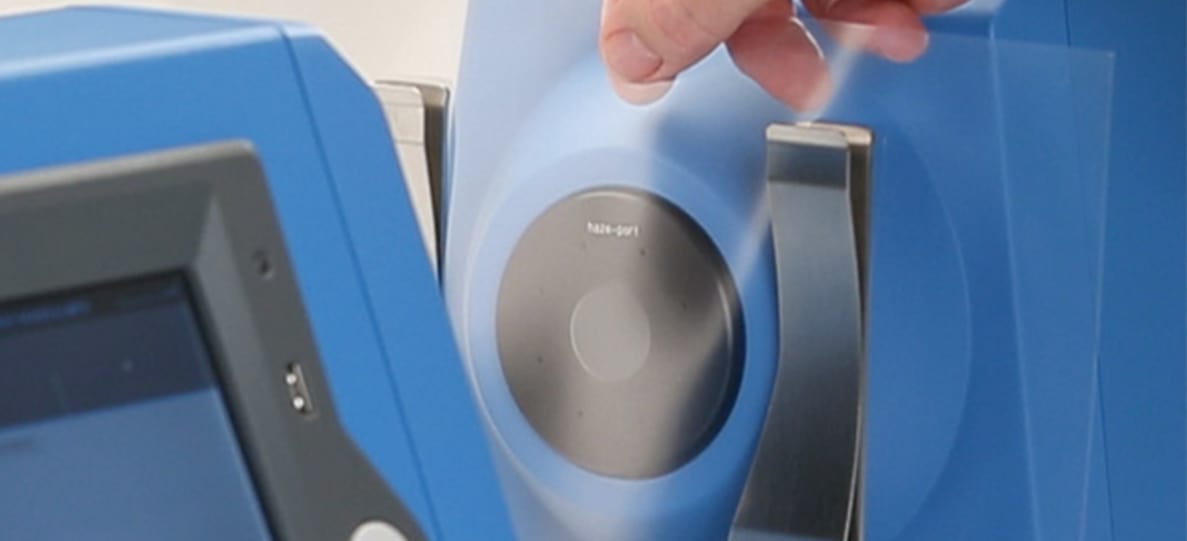
Surface testing assesses texture and appearance, vital for aesthetics and functionality. Optical testing – including haze, clarity, transmittance, and gloss testing – evaluates visual properties. Haze testing measures cloudiness, crucial for transparency. Clarity testing assesses transparency, while transmittance measures light passage. Gloss testing evaluates reflectivity, enhancing aesthetic appeal. Together, these tests ensure packaging materials meet standards, enhancing product presentation and consumer satisfaction.